
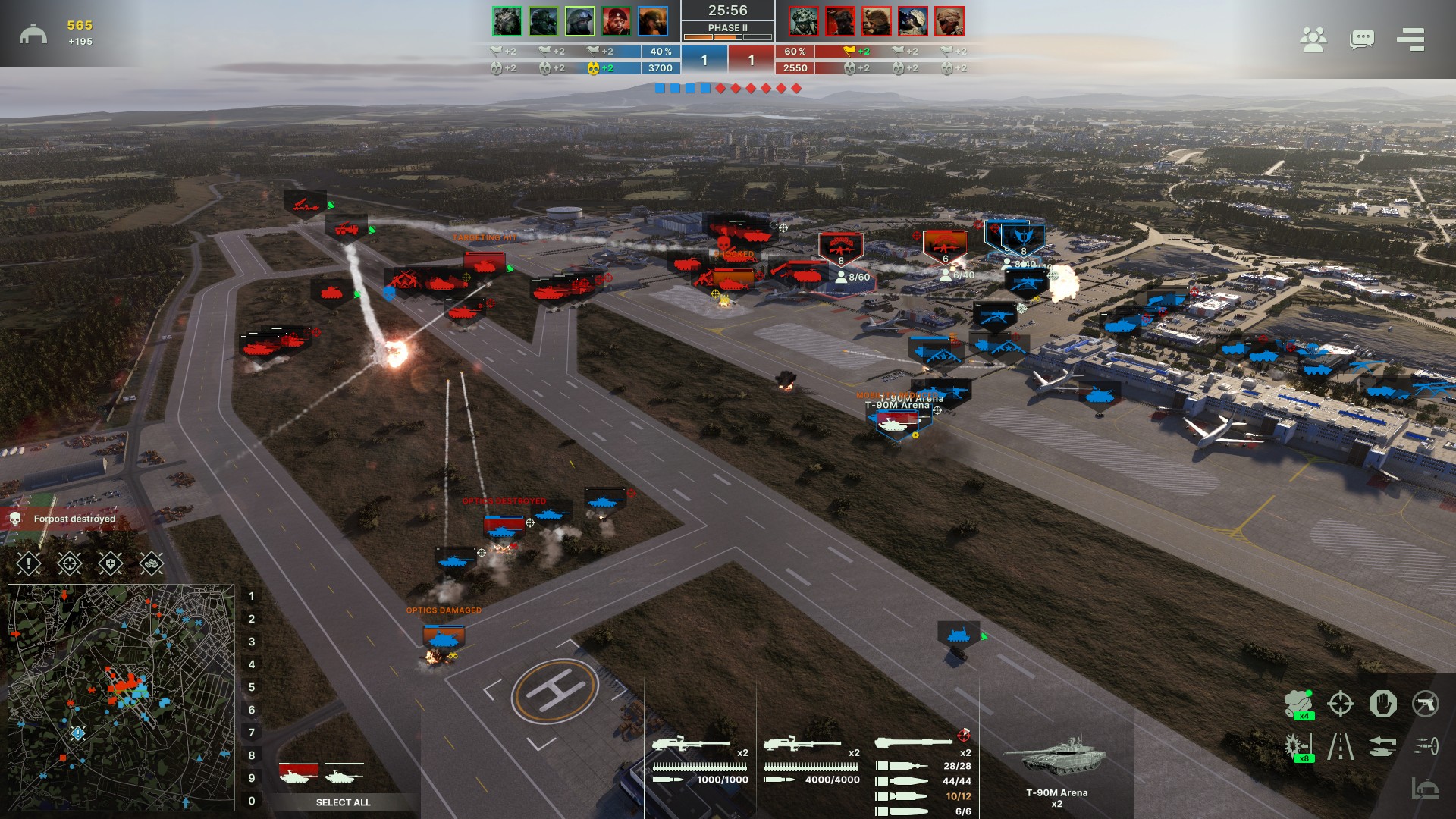

Over a decade ago at this point, I set out to define for myself what a Real-Time Strategy game actually was. While the thought occurs to me that it might be very interesting to return to that topic a second time and see how my views have evolved since then, I’m sitting down today to tackle a slightly different genre definition: that of Real-Time Tactics (or RTT).
This article is supported by my Patreon. If you like what I do, please consider supporting my content there.
On my personal Discord server, I had someone ask me what I think of Real-Time Tactics games (or RTTs), and if I think that the RTS genre has any lessons it can learn from them. Examples given along with the question included such titles as Wargame, Men of War: Assault Squad, and Regiments (I might also choose to throw in World in Conflict as a archetypal example). That question felt big enough that more than just a sentence or two was needed to properly reply, so: here I am. An excuse to dust off the old keyboard, as it were.
As a player as well as a game designer, I’ve long had a fondness for RTT games (in addition to RTS, TBS, and TBT – I guess as a gamer and creator, I have a bit of a type). There’s something very… immediate about an RTT that doesn’t exist in many RTS games. And in many RTT you also get a degree of personalization that is likewise difficult to achieve in RTS. In something like World in Conflict or Wargame, for example, there’s something really satisfying about building your own “deck” of units. It scratches an itch in my brain that most RTS don’t really allow for, or haven’t solved gracefully at any rate.
Of course, RTS also tend to scratch their own set of itches that are in turn missing in RTT. But, that gets into the differences between these two genres of game, which the whole point of this article in the first place.
So, I’m likely getting a bit ahead of myself.
In this piece, I’m going to endeavor to do the following:
- First, I’ll define RTT as a genre separate from RTS and other existing game genres
- Second, I’ll describe a couple of RTT games and what I see as their strengths and weaknesses. We’ll also test our definition to see how it holds up against some representative example games.
- Lastly, I’ll tackle the meat of the question: do these games have anything they can teach RTS? And if so, what might that be?
I am setting out to try to write a modest little definition and exploration of a genre. But sometimes my words do get away from me a bit, and this is one I’ve had kicking around in my head for literally years: I had begun toying with the idea of trying to define and describe RTT shortly after writing that RTS definition piece. We’ll have to see where this takes us…
Table of Contents
- Table of Contents
- What is a Real-Time Tactics Game? A Definition
- Depletion vs Renewal – Two Major RTT Combat Models
- Do RTT have Anything to Teach RTS? Or Vice Versa?
What is a Real-Time Tactics Game? A Definition
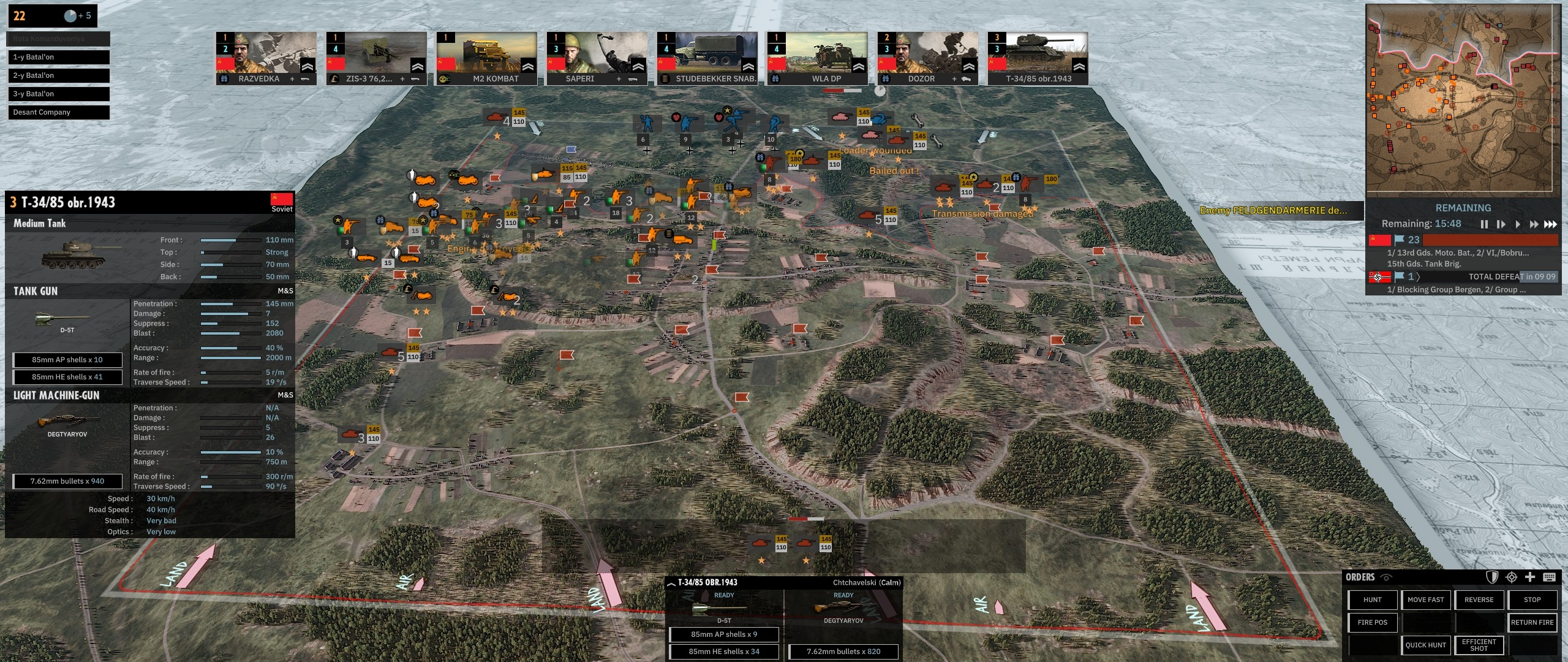
In my RTS article, I broke the genre down into pieces and described each one before tying it all together into a definition. That worked really well for the topic, I think, but I don’t feel I can approach RTT in the same manner.
The way I’m going to look at tactics games is… a little different. I, personally, consider the RTT to be a sub-genre of RTS (as we’ll explore through the course of this post). RTS itself could potentially be described as a sub-genre of wider “strategy” games… and you see some people disputing what constitutes a “true” RTS as differentiate from “tactical RTS” or many other possible permutations.
But the key thing here is that (for me anyway), RTS are able to be defined more holistically by way of their components, functions, systems, and what have you. An RTS has economic systems, it has tension (almost always in the form of combat), there are multiple parties that can be compared and balanced against one another, et cetera. An RTS can be measured and evaluated against its constituent parts and how those parts interact, in other words. You can define it in terms of the larger strategy genre: I like to use the analogy that RTS are something like a city builder tied to a wargame, for instance.
But for me as a systems-oriented kind of guy, Real-Time Tactics is most easily defined by its relationship to the RTS genre. I mean, let’s face it: a lot of the building blocks of each genre are pretty similar (and I make the case below that they have something in common with TTRPG-style games like Baldur’s Gate as well) I’m going to strive to provide a couple of lenses through which we can examine this style of game, and we’ll see if we can combine them into a single, cohesive definition at the end of this section.
Tactics as a Subset of Strategy?
I’m going somewhere with this, so please bear with me for a second. I’m going to pull out a quote here regarding “strategy” and “tactics” in the context of military operations, as it’s very pertinent to our topic:
Theoreticians distinguish three types of military activity: (1) tactics, or techniques for employing forces in an engagement (e.g., seizing a hill, sinking a ship, or attacking a target from the air), (2) operations, or the use of engagements in parallel or in sequence for larger purposes, which is sometimes called campaign planning, and (3) strategy, or the broad comprehensive harmonizing of operations with political purposes. Sometimes a fourth type is cited, known as grand strategy, which encompasses the coordination of all state policy, including economic and diplomatic tools of statecraft, to pursue some national or coalitional ends.
This actually gives us a decent starting point for our discussion, which is refreshing since gaming terms often diverge quite widely from real-world usage. So, using the above quote as a starting point: tactics as a concept is focused on troops in an engagement and how they are arrayed and the immediate goals of that engagement.
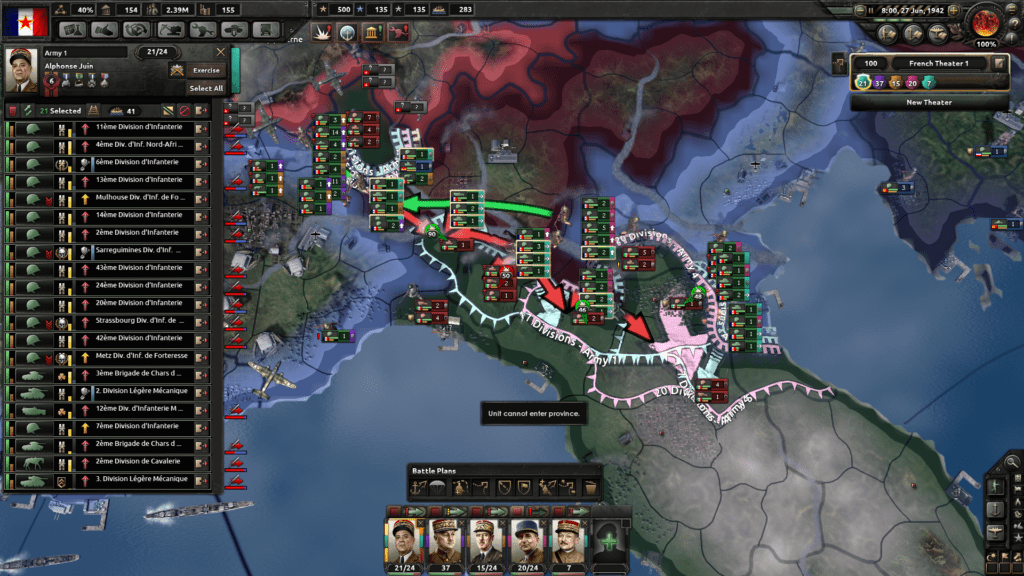
Operations and Strategy (grouping them together since I think “Real Time Operational” games are very rare) are focused on broader objectives, such as coordinating forces in multiple engagements, and most importantly: these higher level terms focus coordinating your resources across time to achieve a larger goal. Putting that in bold for emphasis, as it’s one of my main points here. We even get a definition for 4X… I mean, Grand Strategy, which is of course a map game that includes diplomacy and/or larger theaters of war (looking at you Hearts of Iron 4).
Evaluating many of our examples from the beginning of the article, we see that many games that we would bill as “tactics” games tend to be smaller scale: World in Conflict and Men of War, for example. We might even include the Close Combat series in this, as well. Blitzkrieg, or Sudden Strike are also relevant to mention in this context. Now, of course, you’ll notice that I have so far left out larger scale games such as Wargame, Steel Division, or Broken Arrow. And that’s because, when looking at these titles, the idea of a tactics game being smaller scale than a strategy game starts to break down.
And that’s ok, because I’m explicitly seeking to make the point that in Real Time Tactics, scale often features into the gameplay but isn’t the core element under consideration. Because while Wargame isn’t necessarily the same scale as something like Beyond All Reason or Supreme Commander or the upcoming (as of this writing) Ashes of the Singularity 2, the number of units you field easily rivals or even exceeds those in undisputed prime RTS games like Age of Empires, StarCraft, or Command & Conquer.
I know that there are people who call StarCraft and Age of Empires etc “tactics” games because they focus on direct unit control. I do not agree with this assessment and will not be featuring it in this article, but if you know of or want to write a counterpoint to this piece, I’d love to read it! Link it below or send it to me on social media.
Back on topic:
It’s the Economy, Stupid.
Excuse the heading of this section. It’s a good one, and I’m having fun writing.
In the last section, we explored the idea that scale may be one of the differentiators between RTS and RTT: Tactics is focused on winning an engagement, while strategy is about a bigger picture of managing your resources across time to achieve a larger goal.
I’m focused, of course, on the term “resources.” Now, in a real war or military operation “resources” don’t mean “minerals and gas” or “gold and lumber.” People, fuel, ammunition, the logistical equipment like planes and boats and trucks that move around the people, and fuel, and ammunition, these things are all what we’d more properly refer to as resources in something that’s not a video game.
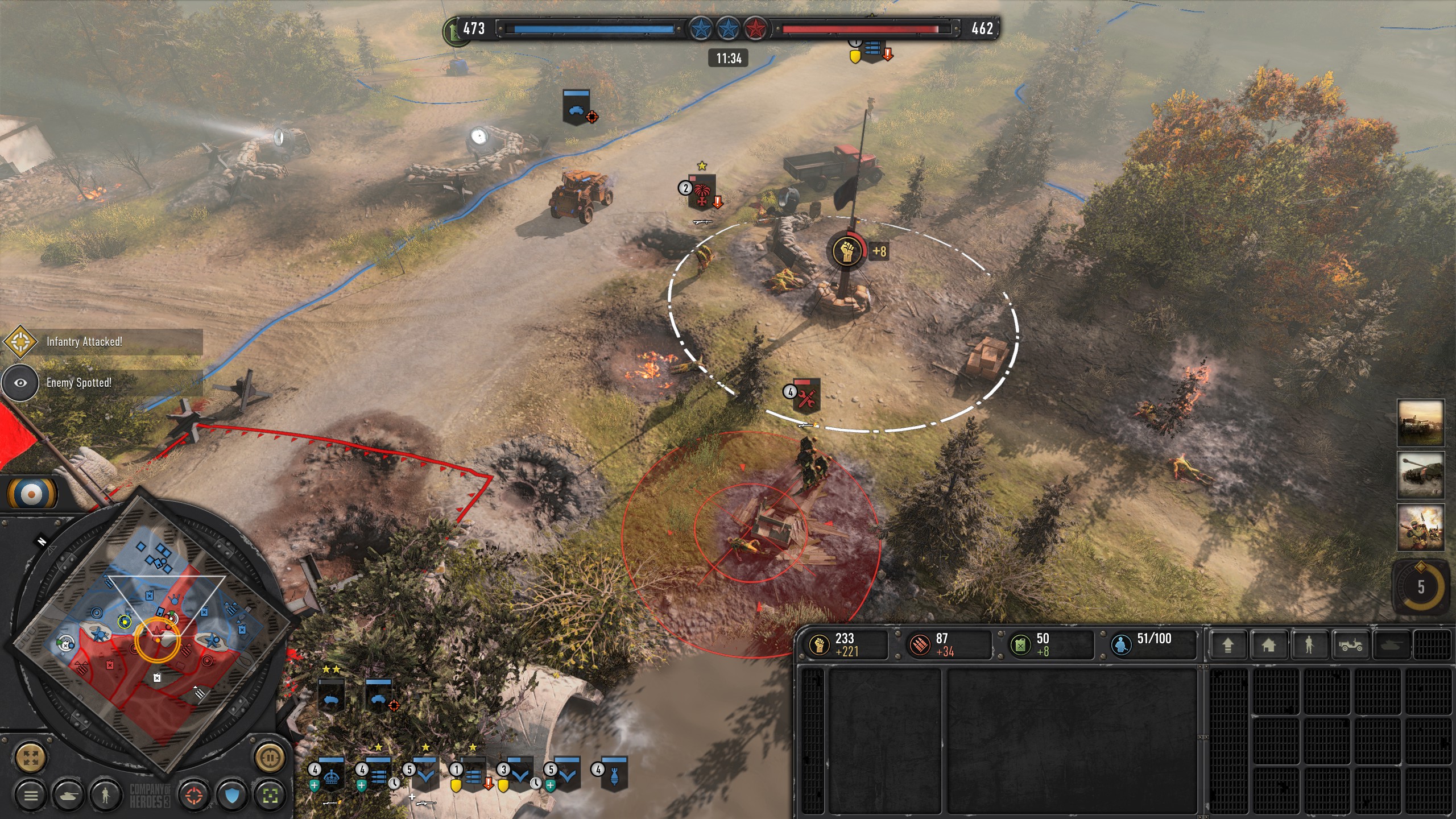
Company of Heroes does (in my humble opinion) a really good job of simulating this, with the game’s resources being Manpower, Fuel, and Munitions and generally corresponding to the player’s ability to field troops, and tanks, and special abilities. Good one, Relic. Well played.
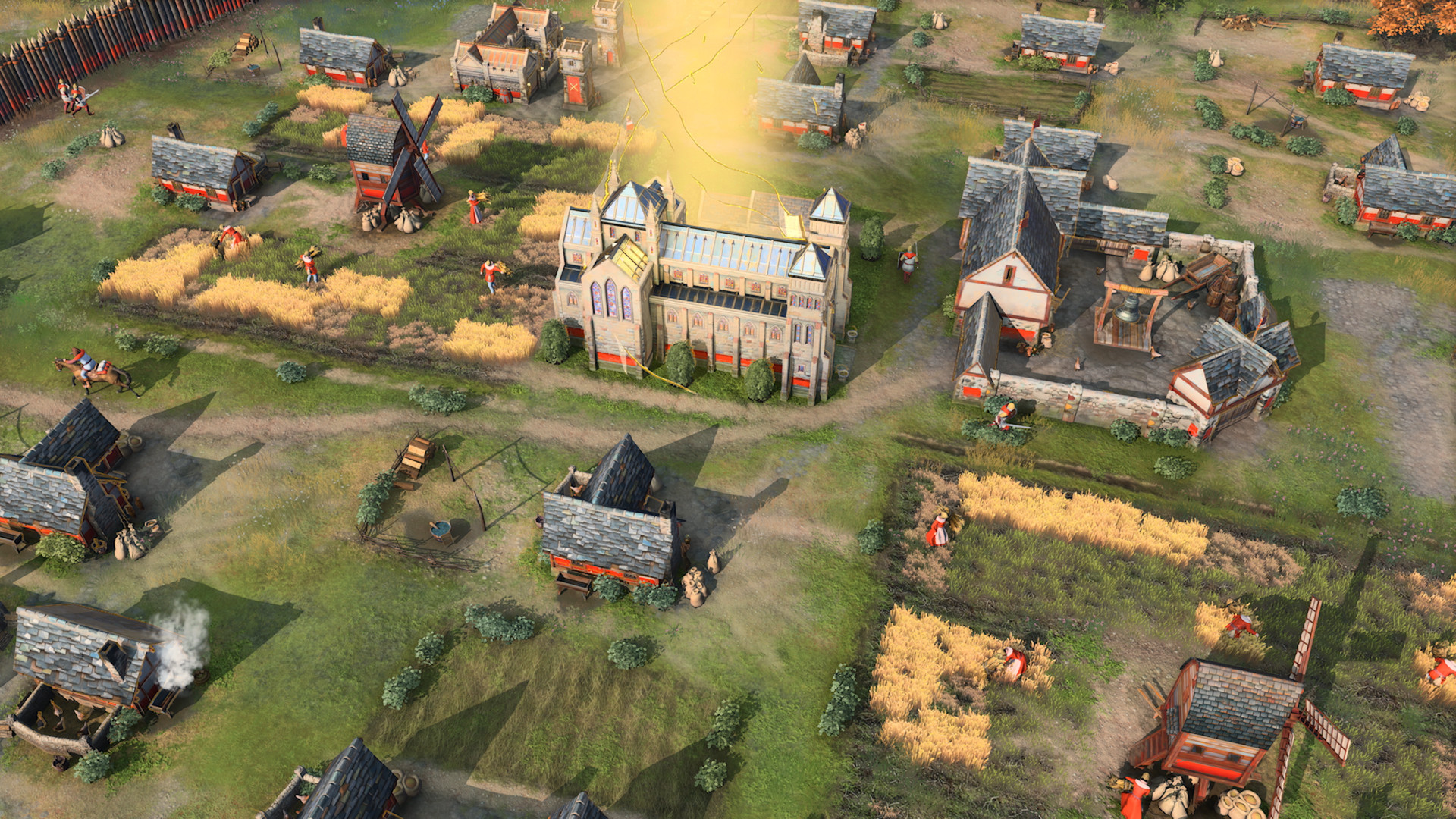
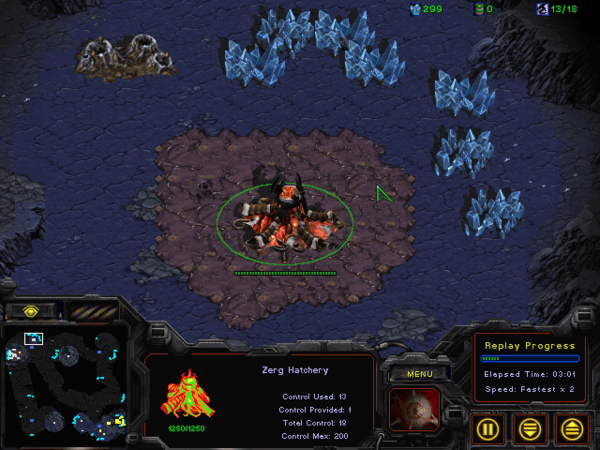
But in many RTS games, we’re talking about layers of abstraction pressed down into the gameplay, giving us shortcuts for the things they’re supposed to represent. Relic’s layers of abstraction, as I said in my previous paragraph, are pretty direct. Most RTS have much higher levels of abstraction. Minerals and Vespene becoming Marines and Battlecruisers, for instance. Or converting Tiberium into money, which is in turn spent on Riflemen or Obelisks of Light. This muddies the metaphor for a traditional-style RTS, pushing it well away from the idea of a military operation and in many cases (like in Age of Empires) feel more like building up a town or city-state that is engaged in conflict with its neighbor(s). The metaphor is under a great deal of strain when you look at Command & Conquer or StarCraft.
The key difference in all these scenarios though, is that in both “pure” RTS like Age of Empires or Command & Conquer and “tactical RTS” like Dawn of War or Company of Heroes, is that resources and building up and maintaining an economy are key to success in the game. Whether you’re building 1 Barracks or 20, or whether you have to capture control points and build Listening Posts or you’re creating Refineries or Command Centers and Hatcheries, RTS of all stripes are driven to a high degree by the game’s economy layer.
For all Company of Heroes has a different economic model than C&C, you still really need to hold those critical Fuel points to be able to produce tanks and other vehicles. And having a key territory taken, disrupting your income, still materially hurts your ability to field units and unlock upgrades.
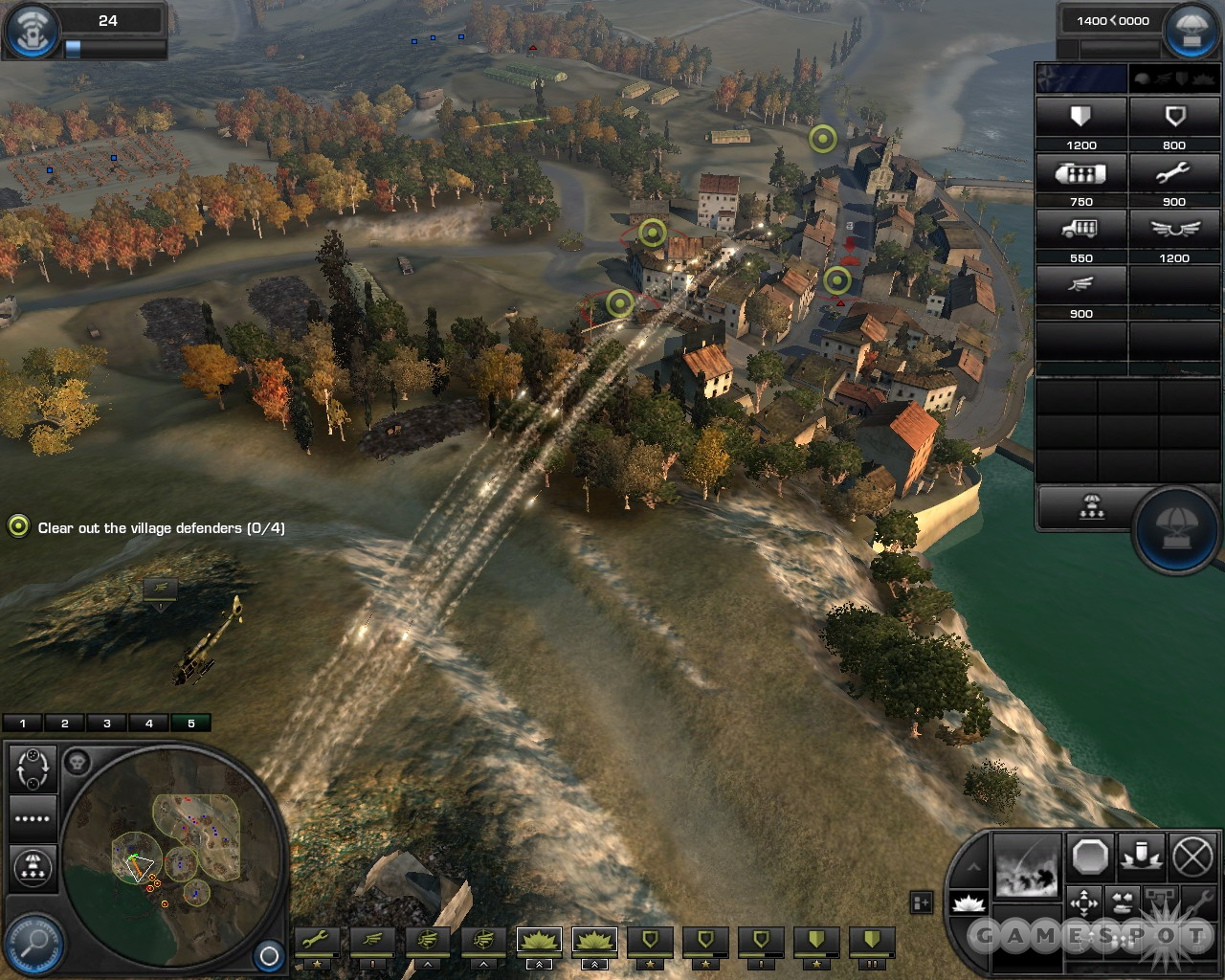
The extent to which map control is tied to your ability to continue to prosecute a battle is very different in RTT games. In World in Conflict, for example: you have a stock of points that you can use to build up your army, and as units die those points are refunded over time. So the main ‘resource’ in World in Conflict is simply your units and where you can call them into the battle.
This is similar in Wargame. Now, in Wargame, each territory you control has a marginal effect on the rate at which your points accumulate, but it’s less than even what is seen in Company of Heroes and a whole other ballgame to resourcing in Tempest Rising or Dark Reign. Mostly, you’re trying to hold territories and kill enemy units as victory conditions, and the marginal resource gain rate differences exist as a gentle finger on the scale to help push games towards a conclusion for the player who’s completing their objectives more effectively.
This, to me, is the single clearest differentiator between RTS and RTT. Or, more precisely, it’s the actual method to describe or define which genre a game belongs to: Does external income matter in terms of game outcome? If the answer is yes, the game is Real Time Strategy. If no? Then it can be defined as a tactics game.
Squaring the Circle for Economy Being the Big Differentiator
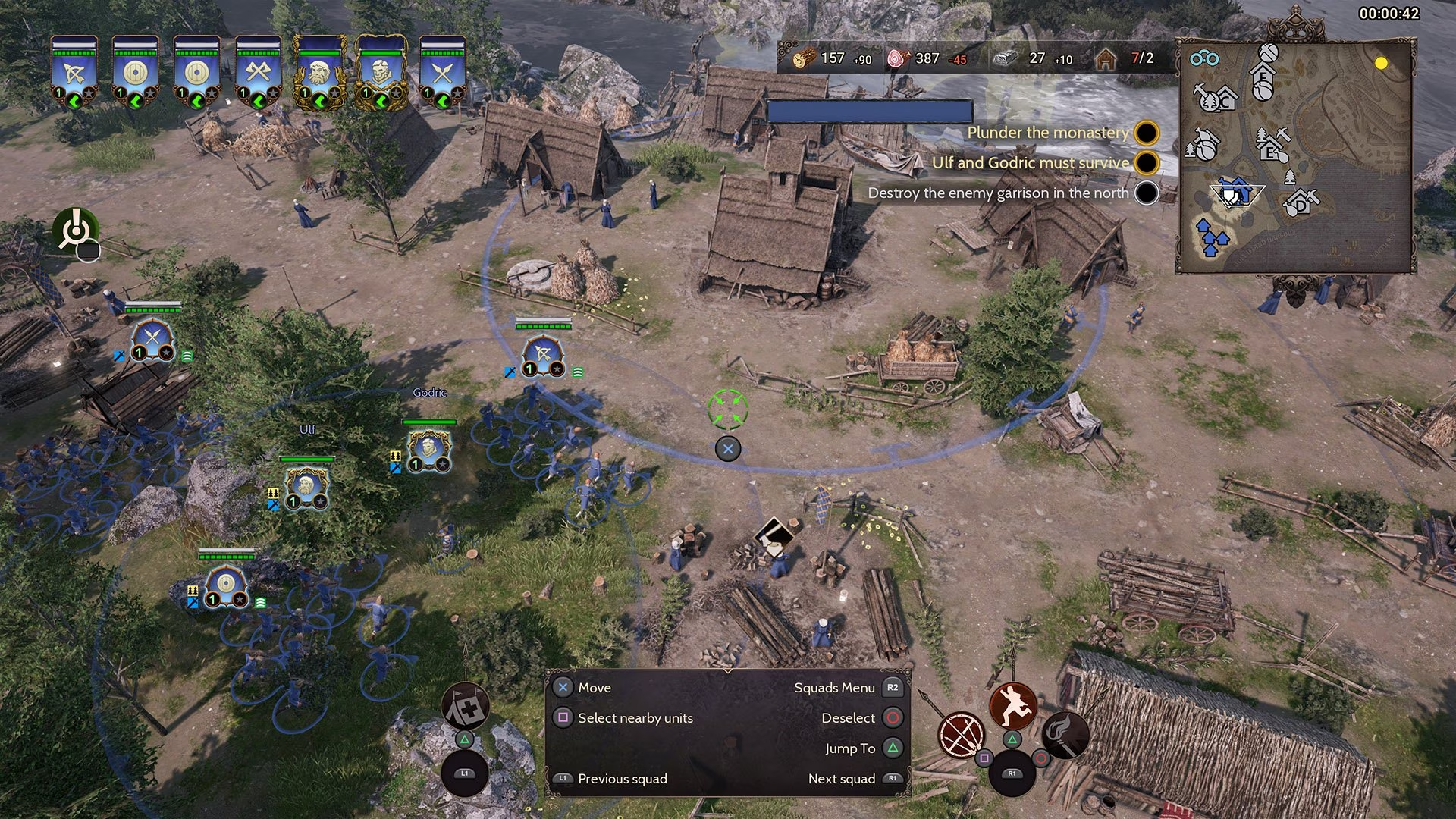
This is where a lot of hay is made in any conversation relevant to RTT or RTS, and a lot of this depends on your specific definition or criteria for the genre, or even how you weight or define the terms.
There’s a segment of “core” RTS players count Relic’s games (or those in a similar space such as Ancestor’s Legacy) as tactics games because of the lack of harvesting as a specific economic activity, and/or the absence or scaling back of the idea of building up a base or bases. There’s no SCV or harvester scooping up minerals or gold or Tiberium out on the map somewhere? There’s no Dozer building turrets or Barracks or factories? then it’s a tactics game.
And there’s a lot of value, I think, to classifying Relic’s titles separately from StarCraft or other “core” RTS experiences (sometimes called Harvest/Build/Destroy games). They play pretty differently, after all, and there’s a lot of assumptions and skills that are expressed pretty differently. Personally, I call these “tactical RTS” due to their decreased emphasis on minute-by-minute economic operations.
There’s ample room for interpretation and disagreement here: games like AL or COH really push economic management into a smaller number of decisions and put the player’s army more in the role of “income gatherer” as they destroy, contest, and capture strategic points that are responsible for delivering resources into your stockpiles. And, as we discussed in the last section regarding Wargame’s economic model (such as it is) there’s certainly a matter of degree present in discussion of economy or income as a way to determine what is an RTS vs what is an RTT.
It can get weird on the other end too when we have to place a line between what counts as a tactics game vs what counts as an RPG. Commandos, Fallout: Brotherhood of Steel, Desperados and other similar games weighed against things like Temple of Elemental Evil or Icewind Dale for instance.
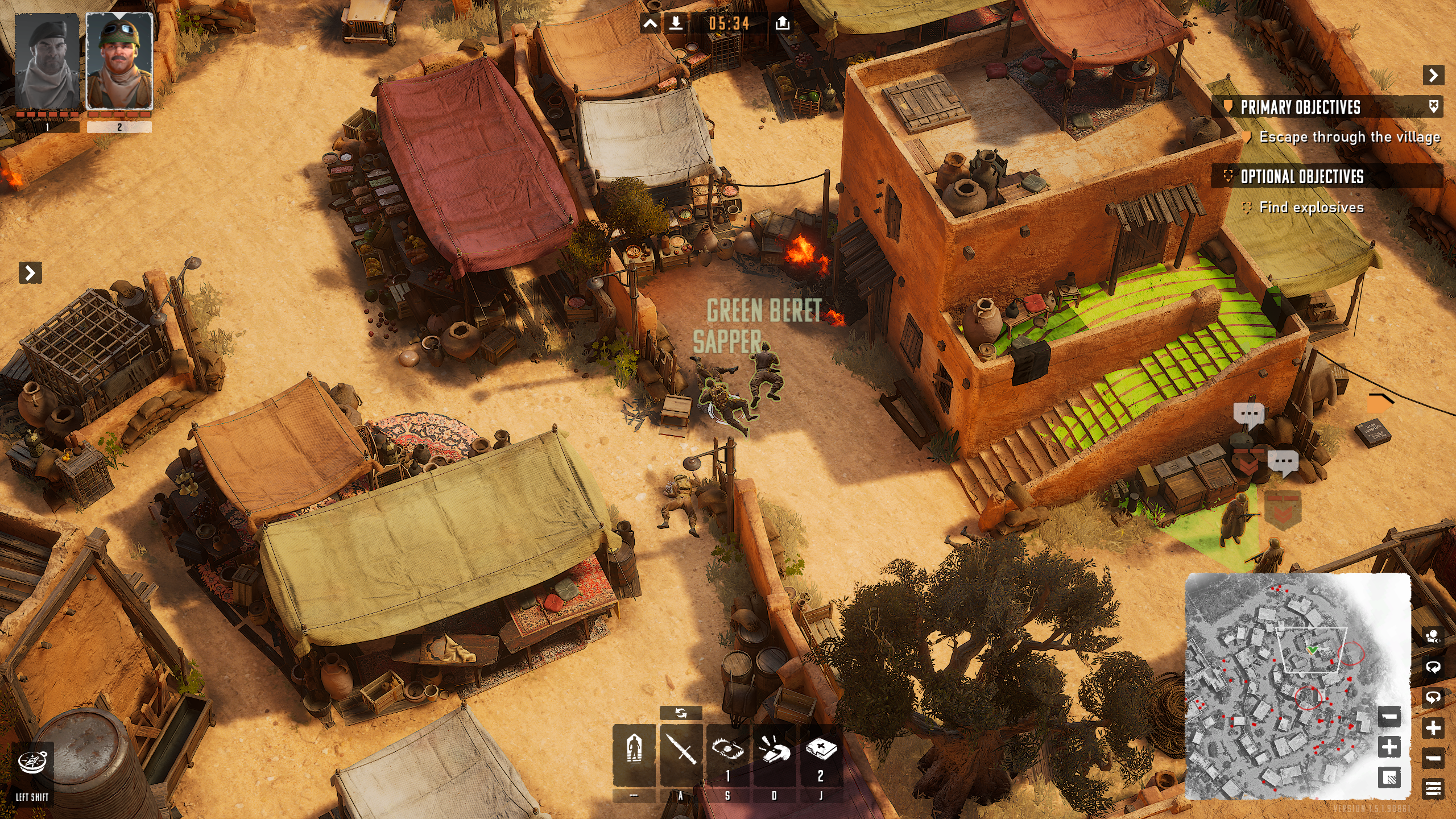
This is part of what makes defining a tactical game so contentious: on each end there are gray areas that feature solid arguments that a game might be either thing, or partially fit into multiple genres. Which brings up an important question: what is the point of the definition? What is the goal for our trying to sort these things into separate boxes in the first place?
Let me try to frame it this way. In StarCraft, if you’re several bases behind your opponent, you’ll more than likely lose because your production and your tech won’t keep up with what your enemy is doing. The same basic principle holds true in Company of Heroes or Dawn of War, where if you don’t hold and/or upgrade your points (Fuel specifically) as effectively, you won’t be caught up with your opponent in terms of heavy ordnance and upgrades.
If we contrast this with something like Wargame or World in Conflict… in those games, you don’t lose economically. The concept just doesn’t exist in those games in a real way. Now, Company of Heroes might put more of a damper on your economic loss because the game scales less, but it’s still real and it’s still there. In Company of Heroes, if you control less of the map, you will have fewer resources and be behind your opponent in terms of tech and armor on the map. Therefore, economy drives the game in a meaningful way.
In World in Conflict, you’re not losing economically. If you hold fewer points, their ticker fills up faster than yours does, and you lose because of the objective – because of positioning and force allocation. The way that happens is they outmaneuver you or hold the map better than you do, but you’re not losing because you have fewer resources to produce units or because you couldn’t afford better units, or because you teched wrong.
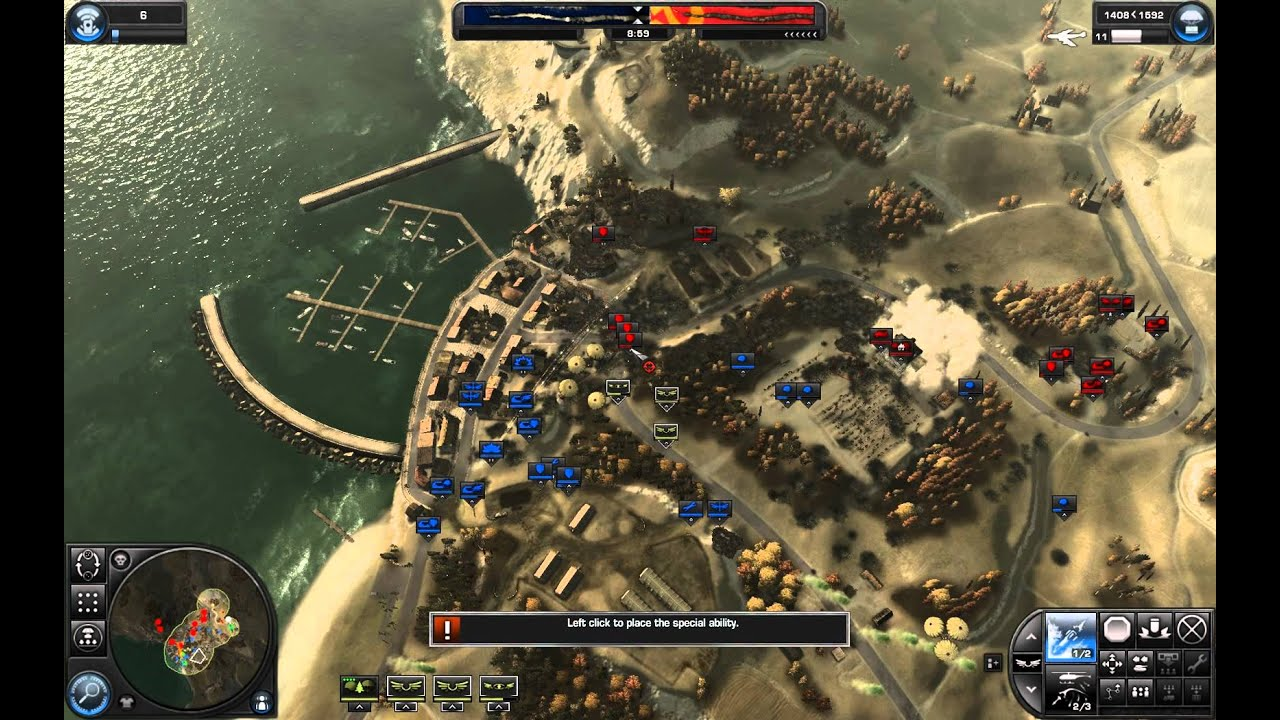
You’re losing because of purely tactical (our definition of this term from the beginning of the article!) considerations: they outmaneuvered you. They used their limited pre-stocked restocking points better than you did. They killed your guys more often. This can happen in RTS, but the other and to me key thing that can happen in RTS is that you have this other axis that you’re being judged on, which is income.
Which is why I like to use economy as my key differentiator, because while Company of Heroes’ economic axis may be noticeably weaker than that of Age of Empires, it does still have one. Games like Battlefleet Gothic or Myth simply don’t have this other axis that you can leverage in order to influence your battle position. To me, it’s all about the presence of this entirely other consideration, the meta-layer of income and resources that impacts the rest of the game and the decisions you’re making as a player.
But, again: this isn’t the only way to look at the topic (I just happen to think it’s the most productive one, generally). You could measure this experientially as well: Those Harvest/Build/Destroy games like StarCraft definitely feel different from Company of Heroes or Ancestor’s Legacy. I just really feel there’s a lot of value in looking at this economic axis in terms of gameplay outcomes and how we weight and measure the elements that make up the game. RTT is, as we said above, kind of fuzzy on both ends, blurring into RTS where it has some level of economy, or RPGs where it more resembles games like Commandos or Fallout Tactics.
The Sticky Wicket of Mechanical Differences
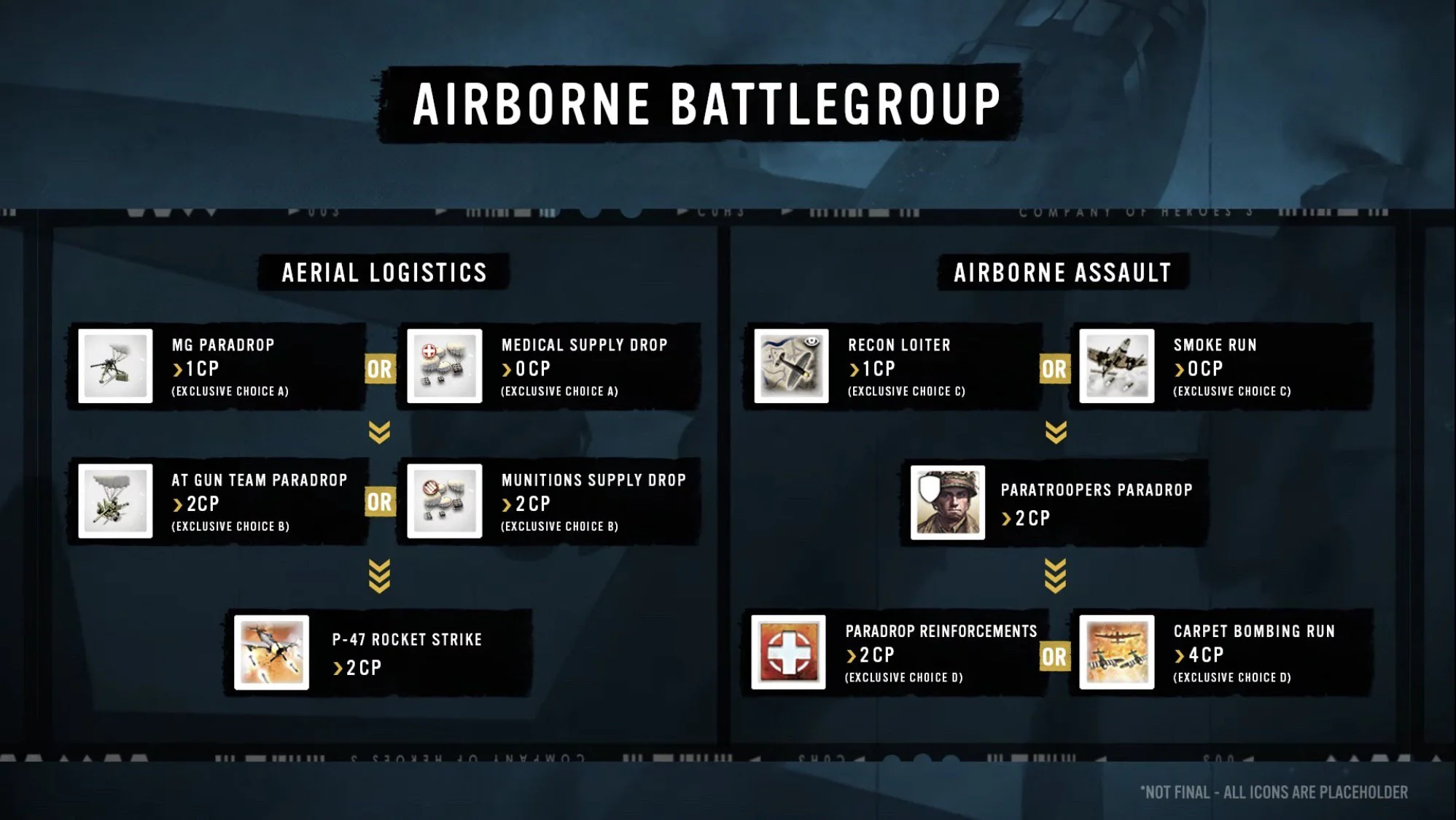
Loadout systems, verisimilitude, terrain/vision differences, even placing structures… Can we say that these “belong” to RTT or RTS?
Generally, I’m going to say no. You see both RTS with these systems and RTTs without them. As above, if your definition of RTS is more experiential and you look at Harvest/Build/Destroy games as RTS while more tactical, Relic-style RTS as tactics games, you might be inclined to disagree: these things in your view might be lined up more around the genre distinction and in fact be a part of it.
However, we have game series like Command & Conquer, several of which have veterancy systems and at least 1 of which has some degree of movement verisimilitude in vehicles. Supreme Commander also has a veterancy system, and if you want to count it the Vanguard from Stormgate, they do as well, to say nothing of Heroes from WarCraft 3 or Spellforce.
We can pretty easily say that generally speaking, games that skew towards the tactical (e.g. what I’m calling Tactical RTS as well as Real Time Tactics games) are more likely to have one set of features while games that skew operational (Harvest/Build/Destroy style games) are more likely to have a somewhat different subset, but on a game-by-game basis you’ll see that virtually none of these are exclusive to one genre or the other (unless,as I’ve already said, your definition of RTT is quite different to the one I’m presenting here).
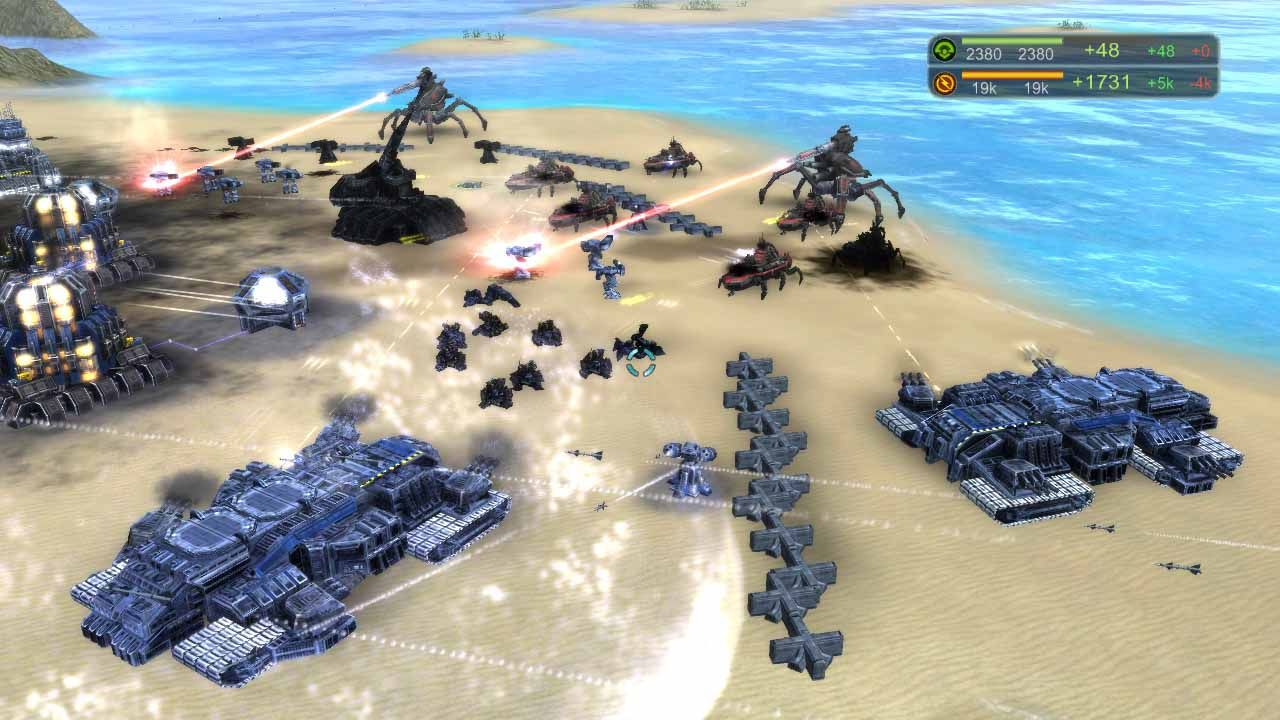
I believe it’s self-evident, but it’s more common to have these sorts of deeper interaction systems in games where there are fewer moving pieces, both in terms of economy and in terms of number of units. As an easy example, I didn’t realize for years that Supreme Commander even had a veterancy system: it’s hard to tell when you have so many hundreds of units running around, and you’re not concerned with the well-being of any given tank after a certain point in a game like that.
In Company of Heroes, of course, a full-veterancy unit is a big deal: you want to protect it and use it carefully to get the most out of it. And in an RTT game where you might not get reinforcements or at the least where there’s a lot fewer levers you can pull to gain an advantage over your opponent(s), the bonuses conferred by veterancy can mean a lot more. All that to say, you’re more likely to see systems like these where they’re more likely to be important, e.g. in games where you don’t have as much room to gain an edge on your opponent in terms of production or technology level.
Oh God, He’s Talking About Resources Again
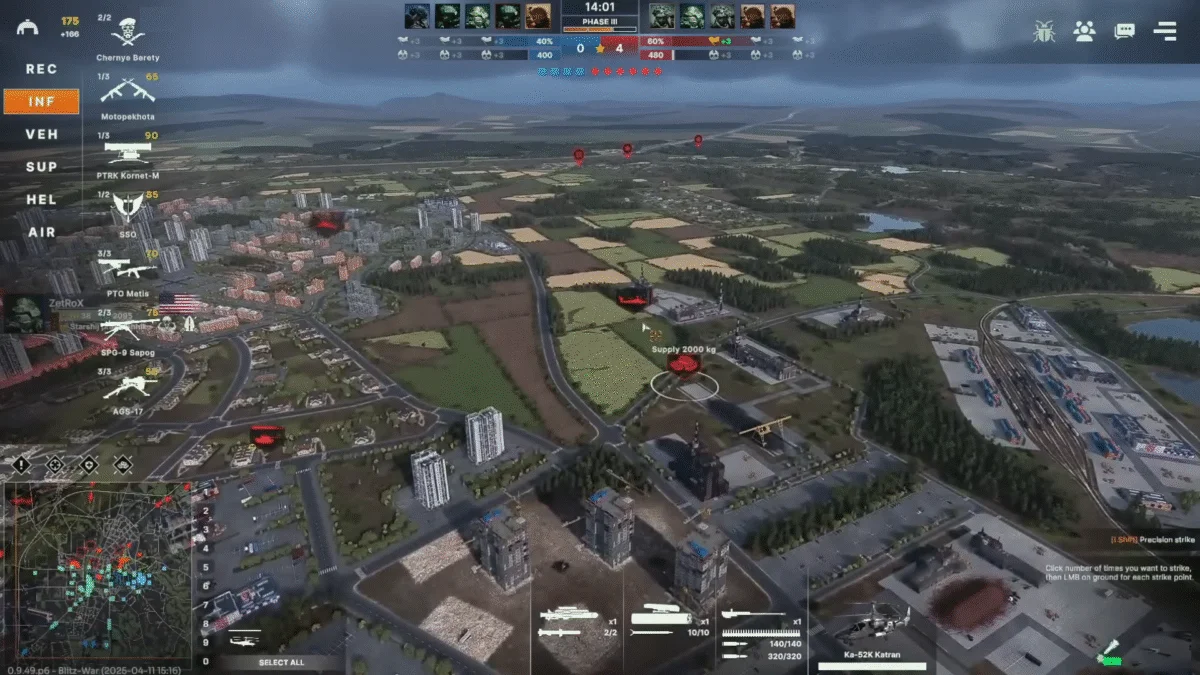
One thing that is interesting to look at in terms of RTT vs RTS is how they think about or treat resources. Now, we covered this in some detail above, but I’m trying to tackle this from a different angle. Now I’m looking at what I think of as physicalized “resources” like fuel or ammunition: these are approached very differently in a true tactical game than in even a Tactical RTS. In Company of Heroes for example, “munitions” is a global resource that many units spend on their abilities, and is also spent on things like support powers. This is pretty contstrained in the early game but in many cases becomes fairly abundant later in a match. But it’s renewable, and global, and it functions more or less like a niche utility for a typical RTS resource.
Narrowing ou focus a bit, we can start with Mana or Energy from the Craft games as examples. These are personalized resources that a given unit has which allow it to act on the game in significant ways, and this acts as a form of “ammunition” for high impact spells and abilities that control access over time. You’re punished to some degree for not having access to these at any given time, and it’s a pretty signigicant gating and skill expression mechanism in terms of when to use it (blow all your Mana to win this fight, you might be worse off in the next one, for instance!)
Taking this to the next step in the logical chain, there are fewer examples of ‘real’ ammo systems in RTS, but Earth 2150 has one such system: in that game, units with weapons that consume ammo are resupplied automatically from ammo centers by ammo delivery units. This is a pretty binary interaction: if you don’t lose your ammo centers and don’t lose the ammo delivery units, you’ll be able to keep fighting. But, if that chain breaks down you’ll start having some issues continuing to keep up your damage output. Air units in Supreme Commander are another example: if they don’t have access to landing pads, they won’t be able to refuel and will eventually lose speed and damage output, and then you’ll be losing air battles.
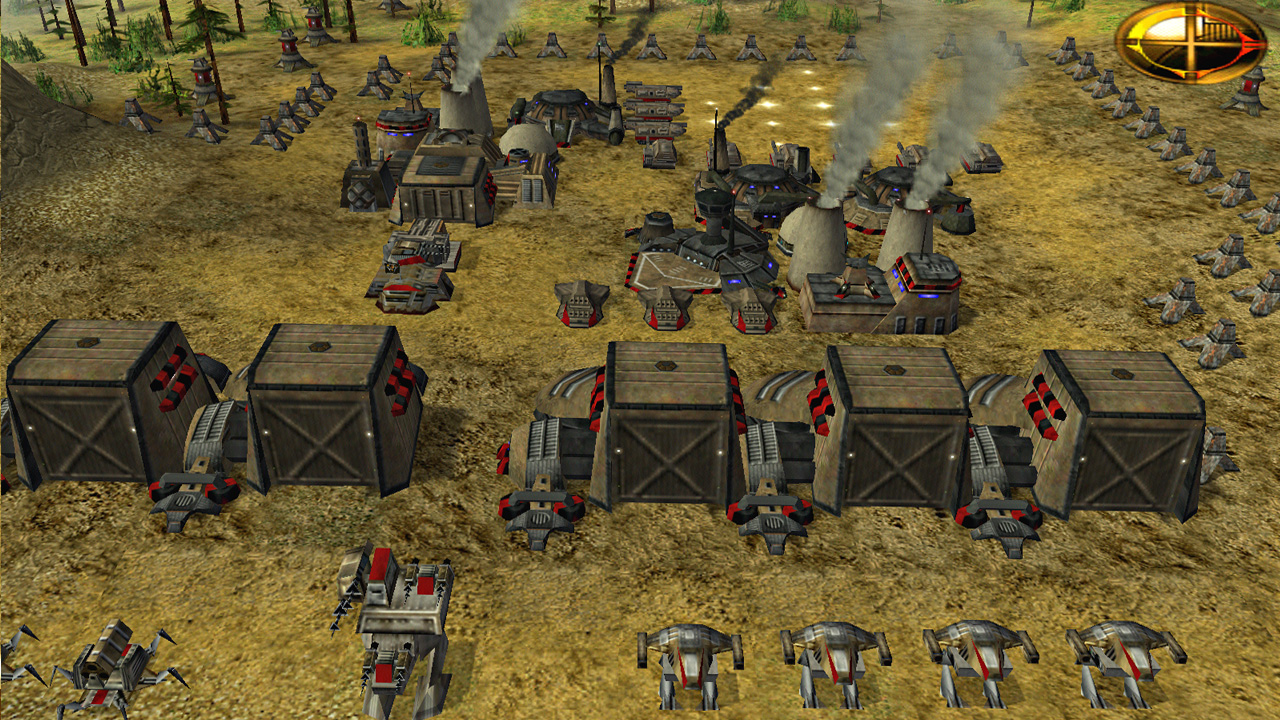
This is a non-trivial consideration in games like SupCom or Earth 2150, but has a whole other level of criticality in a true tactics game such as Wargame or Myth, or the combat layer in Total War games (how I have I been writing for so many weeks and words and only now get to Total War?).
The first Blitkrieg game has ammo caches as an on-map resource you can capture, and the presence of fuel trucks in Wargame makes all the difference in the drawn out battles the game is known for. Even raiding behind enemy lines is something of a feat of planning, as you can easily have such a force run out of fuel and get stuck, changing from a threat to sitting ducks if you aren’t paying enough attention to what you’re doing.
That’s really what I was trying to get to though: your ability to continue to prosecute a battle looks pretty different in something like Wargame or Blitzkrieg than it does in StarCraft or Age of Empires: in a world where you can run out of your stockpiles that permit your units to act on the game, planning has a pretty different meaning. It re-weights a lot of the calculus of what combat means and how you have to plan for and support your forces – even when these systems exist in both RTS and RTT, they can feel very different.
The other thing that can be a big “resource” in a tactics game are your units themselves. That’s where I’m headed next.
Depletion vs Renewal – Two Major RTT Combat Models
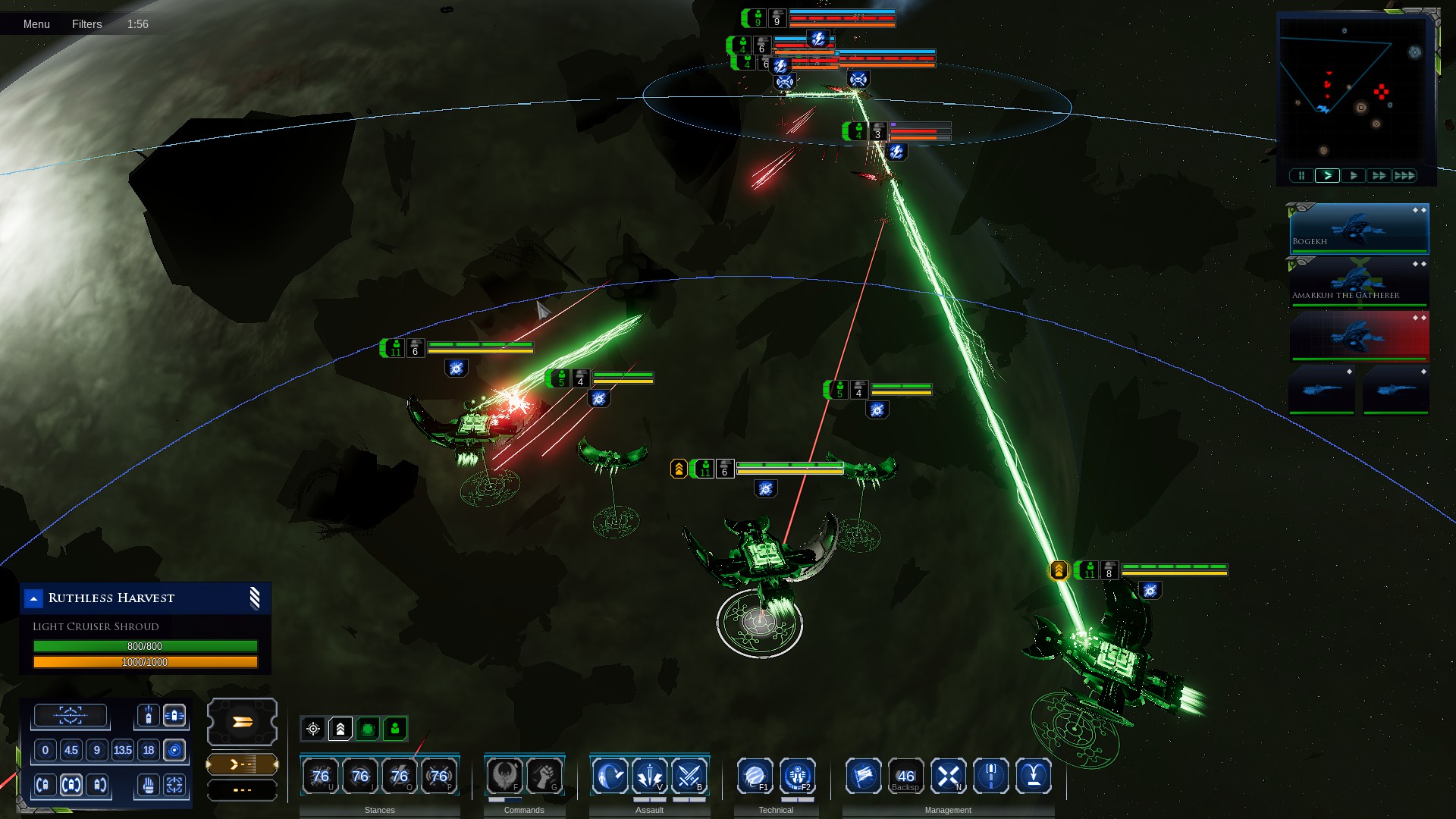
Now we’re getting into some of the nitty-gritty details, my favorite part. Typically in RTT games you can see 2 main types of combat model, what I’m calling “Depletion” and “Renewal.”
With Depletion, a player will not be able to replenish their stockpiles of units and/or ammo, and will run the very serious risk of just running out of stuff. Examples include: Sudden Strike 4, Total War battles, and (theoretically) Wargame/Steel Division. One of my personal favorite examples here is Battlefleet Gothic Armada 2, where a player rings a stock of a handful of ships into battle, and will lose if they don’t have any functional, manned ships left.
Sudden Strike 4 is similar to this, where a player loads into combat with a force of vehicles and infantry and will lose once they’re all gone. I found in my brief time playing that game that battles often lasted a very brief time, after which one player just wouldn’t have enough stuff on the field to compete meaningfully. In that game in particular, it felt pretty awful to lose a fight and just have to drop out since your army didn’t have the manpower to compete anymore.
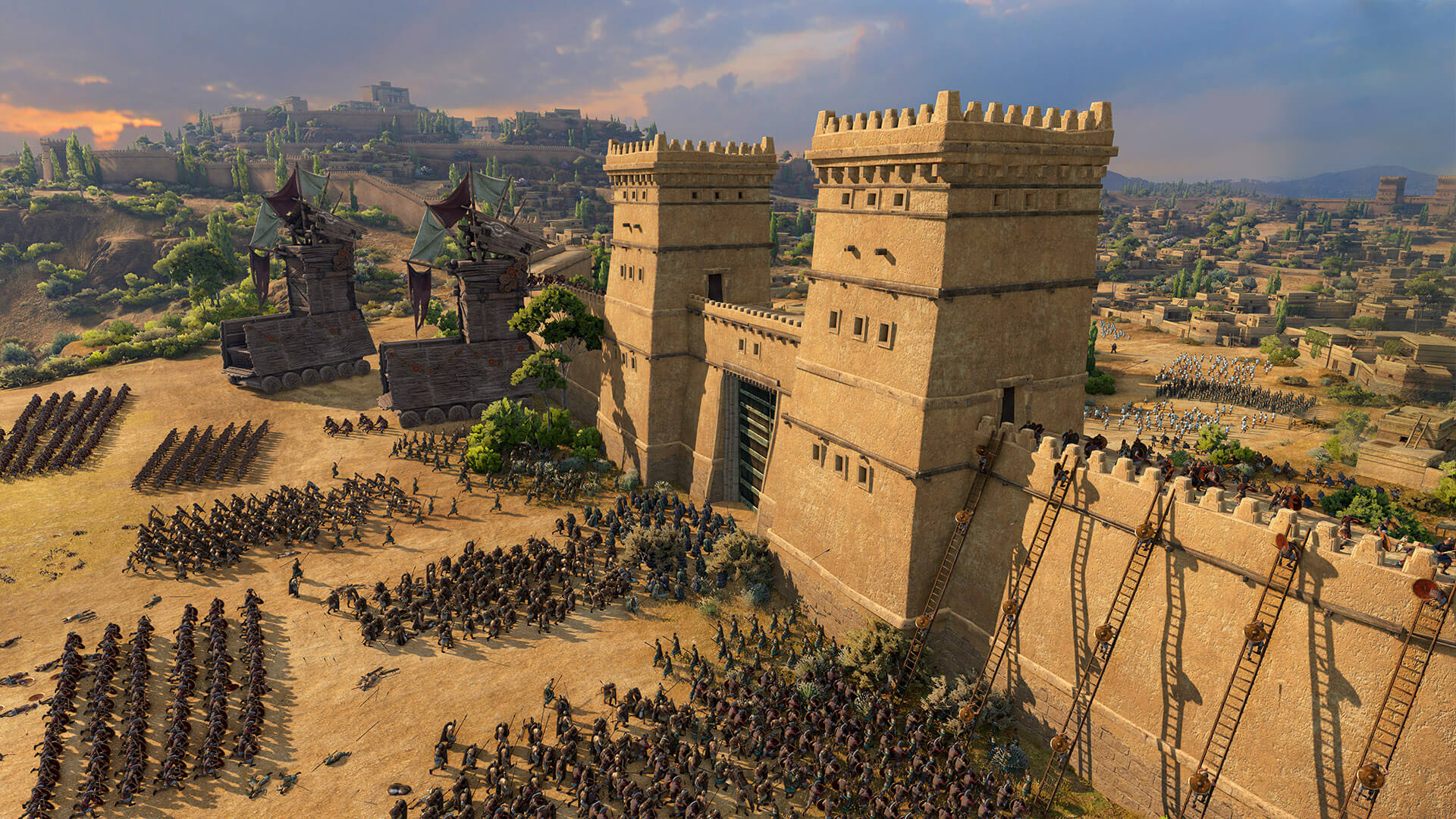
Total War is probably the easiest example of this style of game though (maybe some of the newer games are changing this a bit? Let me know in the comments!) Obviously, in Total War battles, all participating armies start with a more or less fixed roster with generally speaking either no ability to reinforce, or one that’s explicitly limited. Once one side has taken enough losses or is wiped out, that’s all she wrote.
In what I’m choosing to call “Renewal” type Tactics games, you have some sort of stockpile of renewing points, or some other periodic ability to reinforce your army. Examples include: World in Conflict, Wargame/Steel Division (sort of, this is an interesting example) or potentially Z (Bitmap Brothers). These are the games that lead to the gray area regarding where RTS stops and RTT begins: we discussed the almost-economy of Wargame already. In some ways, the recently released Sudden Strike 5 also has an almost-economy, using a ‘ticket’ system to enable players to order more troops via railway. It’s a neat system conceptually, makes Sudden Strike a bit more like Company of Heroes in some ways, and cutting off a player or team’s access to a railway delivery point feels somewhat like getting your income choked off in Company of Heroes.
In many ways this RTT combat model reminds me of my article Time-Based Disadvantages and Permanence in Real-Time Strategy Games where I discuss the idea of a point of homeostasis that’s hard to permanently disrupt or snowball. The idea is that it’s a fundamentally fair or balanced circumstance that players can disrupt through careful/skillful application of force.
Do RTT have Anything to Teach RTS? Or Vice Versa?
There’s so much more I want to cover here, but this article is getting a bit out of hand at this point. I guess I’ll need to do a follow up at some point in order to cover this topic more fully…
So, part of the point I’ve been trying to make in this article is that while RTS and RTT share a lot of the same DNA, their focus is very different. For Tactics games, the entire focus is on units and armies: their composition, placement/disposition, and application (as well as sometimes having secondary considerations like fuel, ammunition, control of points of interest et cetera). While RTS include these considerations as well, they also layer on longer-term choice-making such as growing an income, spending that income, and protecting the sources of income.
RTS focus on growth and income/expenditures. They are driven, and live or die, on the players’ game economies as much as they are on how well the players use their units. In as much as RTT games might have economies or income, their focus is more purely on the combat and positioning and map control layers.
Given that framing, I’m not sure there’s a lot to say here specifically. RTT games, due to their more constrained nature and the forced parity they tend to come along with (fixed number of unit slots, unit point values, regenerating purchase power), Tactics games have come a little closer to the current “live service” model with the addition of new unit types or armies (as we can see in Total War and Wargame, for instance) or cosmetics/loadout customization that RTS have long struggled to do in any meaningful way.
But that’s not really a lesson that RTS can learn, since they have many considerations which tactics games just don’t. I have some thoughts on that though, that I shared a couple years ago in a different article: How do you create a good loadout system in RTS games?
On the other hand, we can see games such as the storied Total War franchise and Sudden Strike 5 starting to take some lessons from RTS with their renewal systems that create combat that’s more results-driven than attrition-driven (see my time-based disadvantages article linked in the previous section). Certainly, Wargame and World in Conflict also have that kind of “play to the objective rather than trying to kill everything as fast as you can” sort of mindset where I think RTTs might thrive.
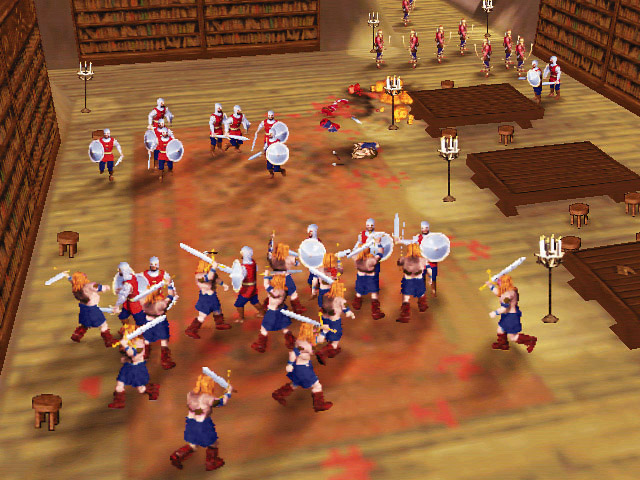
We’ve already seen RTS for decades now experiment with at least the trappings and systems of tactical games: experience points, gear, terrain modifiers in combat, realistic vision dynamics, and many more.
Honestly from the above exploration, the thing I’m most interested to try to pick apart is the “Real Time Operational” game we hypothesized must exist towards the beginning of the article.
As I said years ago when I wrote about MOBAs though: while RTS and RTT have a lot of similarities in terms of camera and control scheme, they are often about fundamentally different things. That lack of “macro” or growth layer has a profound effect on how you think in a game that’s all about armies attacking each other over some kind of objective or win condition.
Even though I’ve gone over 5000 words with this ramble, I don’t really feel like I’m finished. Might write about RTTs again sometime soon (by the Blizzard definition of “soon ™️”).
Thanks for reading. See you on the battlefield.
– Wayward


What did verisimilitude mean in this sentence:
“Loadout systems, verisimilitude, terrain/vision differences, even placing structures… Can we say that these “belong” to RTT or RTS?”
LikeLike
Verisimilitude means “the appearance of being true or real” – I use it in place of “realism” because I think that term has a lot of weird connotations and is somewhat misleading.
LikeLike
Ahhh, cool. Never really came up before so I was curious which context it was used here as Google gave me all sorts of answers. Thx for the reply
LikeLiked by 1 person
Well well that was a long article to read Brandon, haha I enjoyed reading and I will say yeah economy is a major part of it really, and I mean we can kinda look at ra3 the same way – while not an RTT and still falling in RTS, it felt like it moved in the same direction as one – resource nodes felt like “deploy and forget”, kinda like point captures in coh, unless one person disrupted your harvester so you’d have to rebuild, and as a result of that economy change it became more and more about unit management and micro instead of building a better economy system in the long run with a large army. Ra3 went towards limiting it which in turn limited unit spam that older cnc titles had and made individual units have a much higher value than before
LikeLike
With Z(Bitmap Brothers) the number of territories you have has an effect the rate you can produce units. Would this make it an RTS or because it doesn’t have a currency resource it is a RTT?
LikeLiked by 1 person
I consider it an RTT because there is no actual game economy. It’s just that each territory produces its own units. If you capture a territory the split second before a unit is produced, it will be produced for your faction. I do consider it a bit of a gray area because there is a way to sort of simulate an economy with more territory control equaling faster production.
LikeLike
I feel like a should clarify I’m not going to try and convince you that Z is a RTS. Just because it falls in to a grey area make it more interesting to discuss.
The difference you had for CoH and WiC was that in CoH unit production was affected by that about of territories you control where for WiC it wasn’t. Z is like CoH on this where the more territories you control the more you can produce.
Yes you can take a territory with factory and unit it’s producing but a player can choice what factory can make. Different units cost an amount of time to produce. If you don’t have the time to spend to make the unit then the opponent gets the units. Which is a harsher punishment then cancelling the unit. You can also cancel the production of the unit yourself before the territory is lost.
LikeLike
If you are interested I did write an article about Z a couple years ago https://waywardstrategy.com/2017/01/23/historical-rts-z/
LikeLike
Just dropping a comment to say I appreciate the article and the thought behind it – interesting walkthrough. I think I’d very slightly disagree on the point around RTT as a genre coming closer to a “live service” model – the AOE and COH series both have reasonably successful business models built around continued support and new releases. I do think development of a balanced, assymetric RTS becomes substantially harder with the added economy layer though, so both include sacrifices to make that happen. AOE’s faction variation is relatively small, and COH sticks to modifications on a baseline to avoid massive changes to that faction balance. In an RTT using your definition here, I think it’s easier to hit the number of additions that you see in something like total war / wargame because the number of things you have to balance for a new roster are comparatively small.
Regardless, I’m excited to have come across this site and looking forward to digging into more of your content here!
LikeLike
There are clear differences between these two strategy subgenres (I don’t see one as a subgenre of the other, but simply as part of the same family). When there is no base building (or something equivalent) and no resource management, it’s not an RTS. CoH is a tactical RTS because it includes these elements in a simplified form.
LikeLike